Healing With the Seasons
At Blooming Wellness, we strive for health by keeping in sync with natural rhythms. Each season provides a unique combination of weather, energies, and fare. Navigating these factors can be challenging, but with the right knowledge the seasons are a powerful tool for wellness.
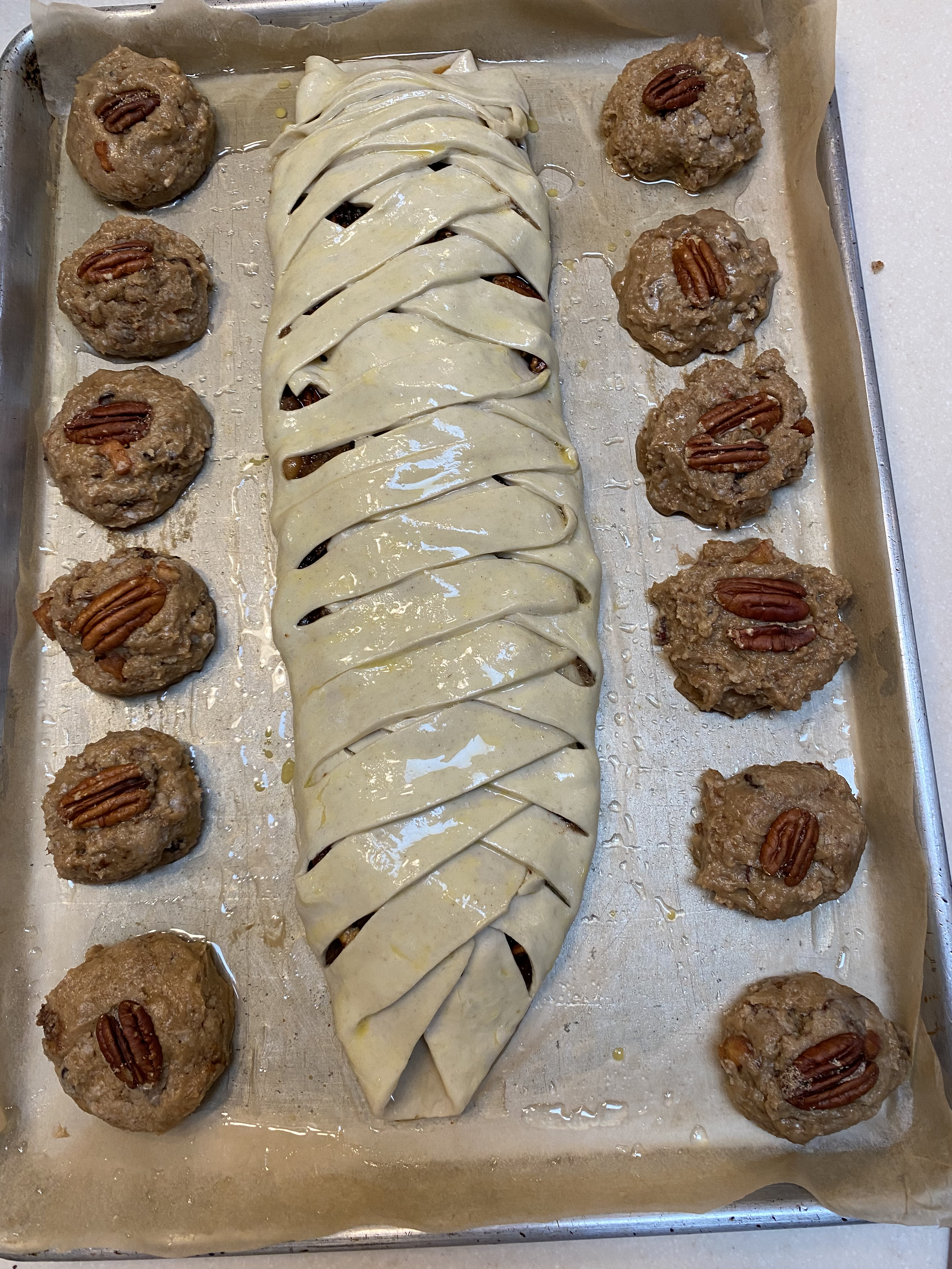
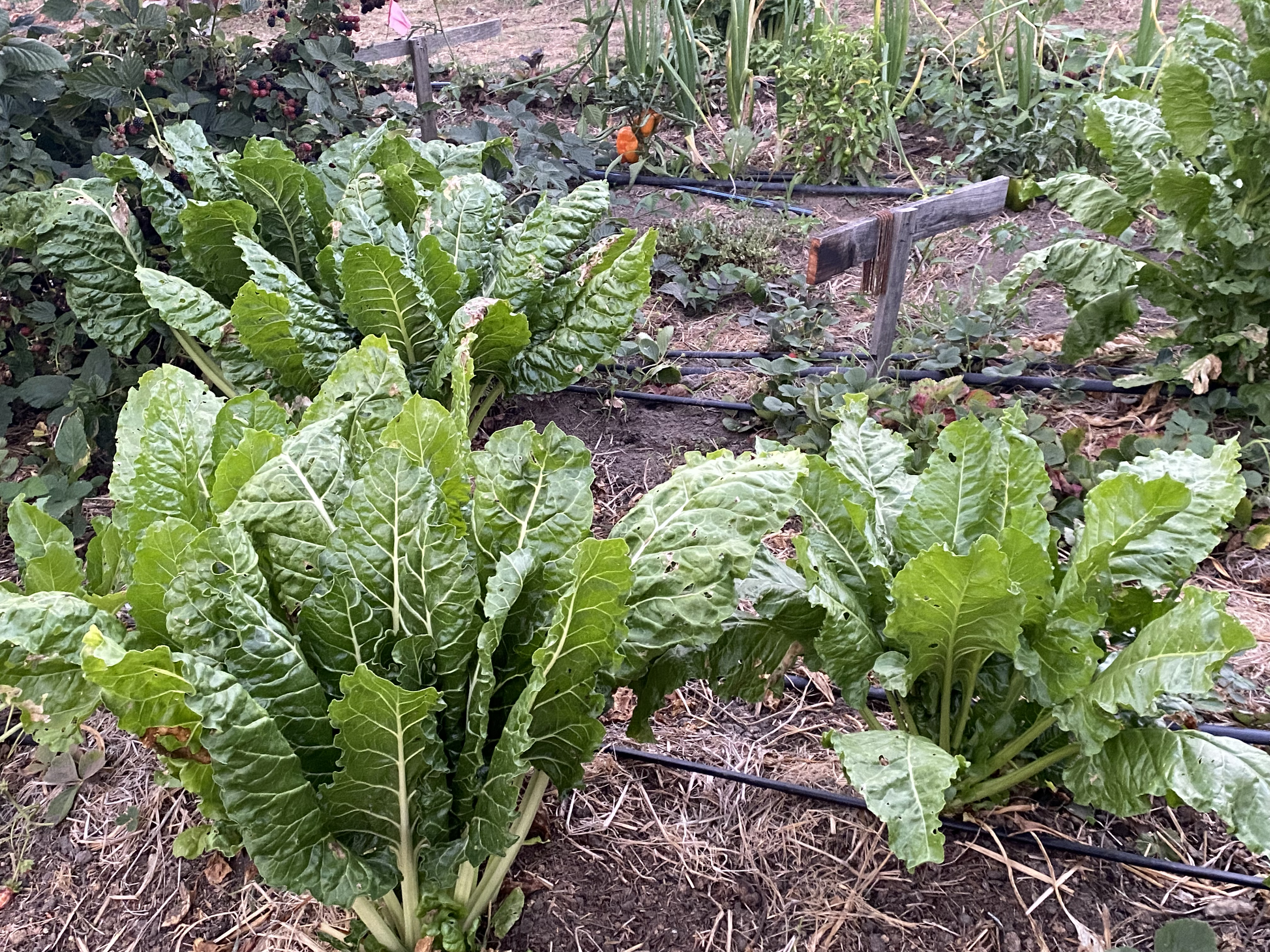
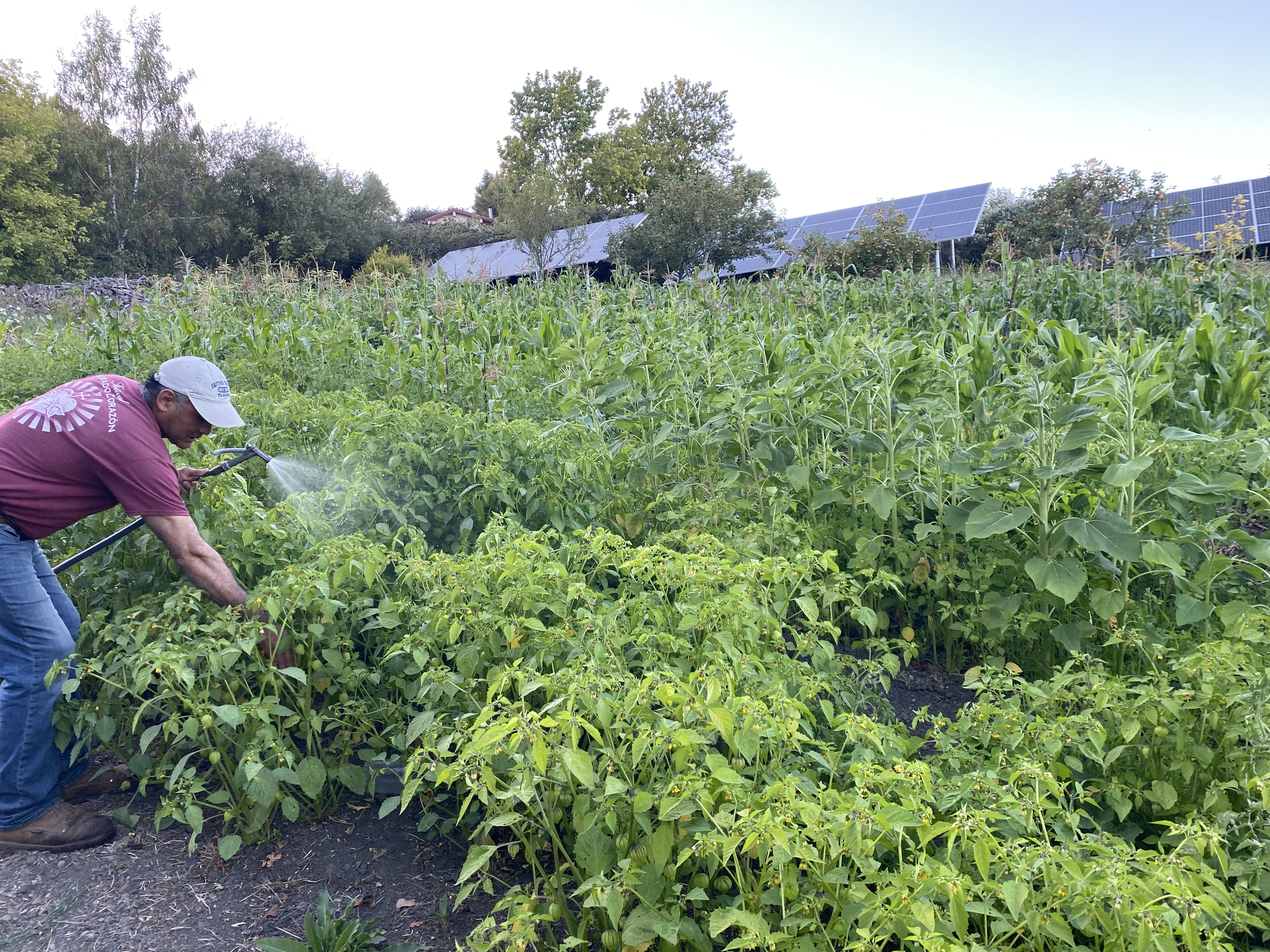
Summer
Summer invites a shift toward lighter, fresher nourishment and movement patterns that support renewal and vitality; longer daylight encourages outdoor meals rich in seasonal fruits and vegetables that hydrate and deliver antioxidants, while warm weather favors gentle, restorative exercise like swimming, walking, and yoga that reduce stress and improve circulation.
It’s a time to emphasize whole, minimally processed foods—berries, stone fruit, tomatoes, cucumbers, leafy greens, and herbs—paired with lean proteins and fermented foods to support digestion and immune resilience.
Hydration becomes central: water, infused waters, and electrolyte-rich foods help maintain energy and cognitive function in heat. Seasonal routines also support mental well-being—slower morning starts, time in green spaces, and social meals promote sleep quality, mood balance, and sustainable habits that can be carried into the cooler months.

-
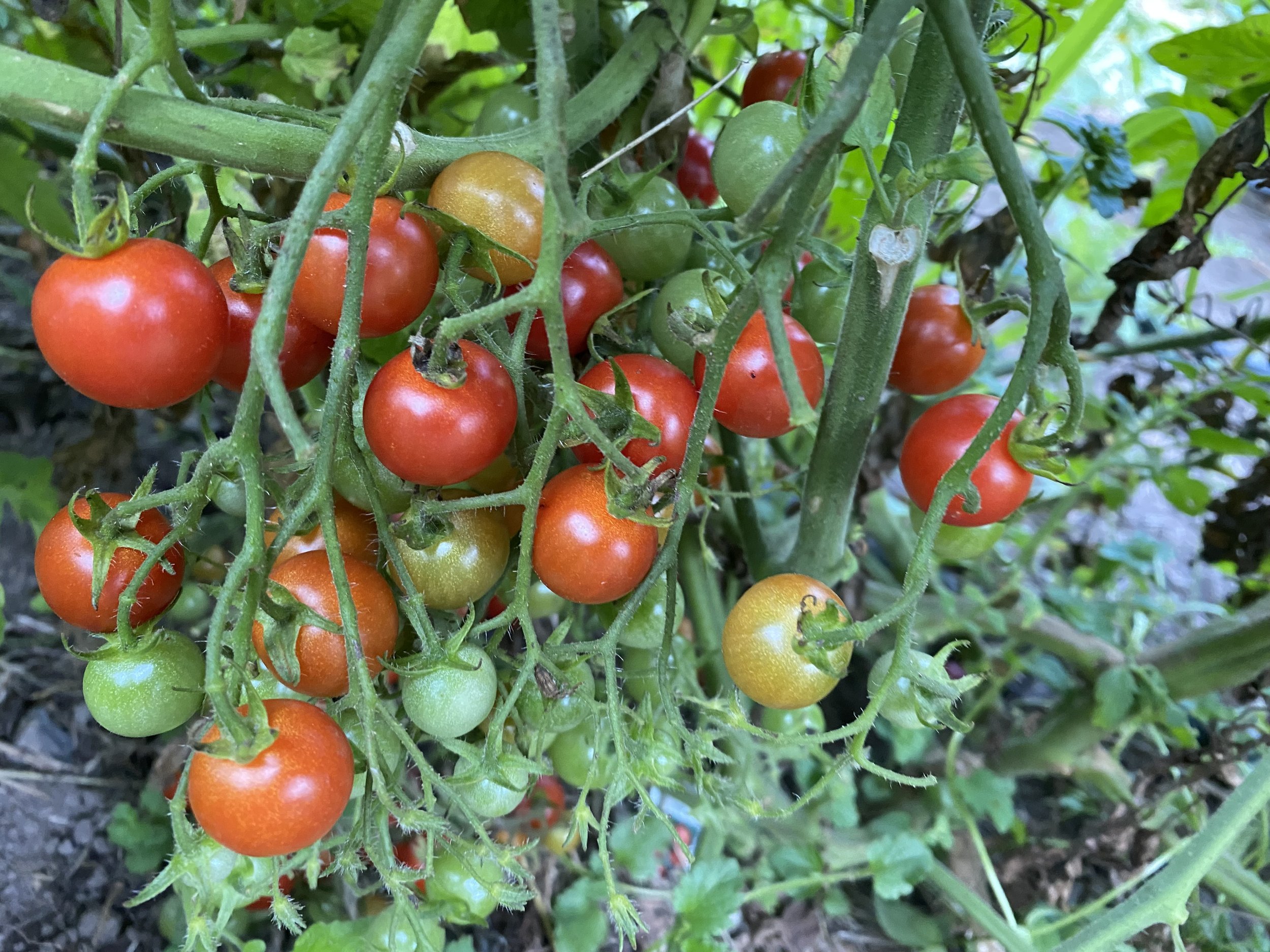
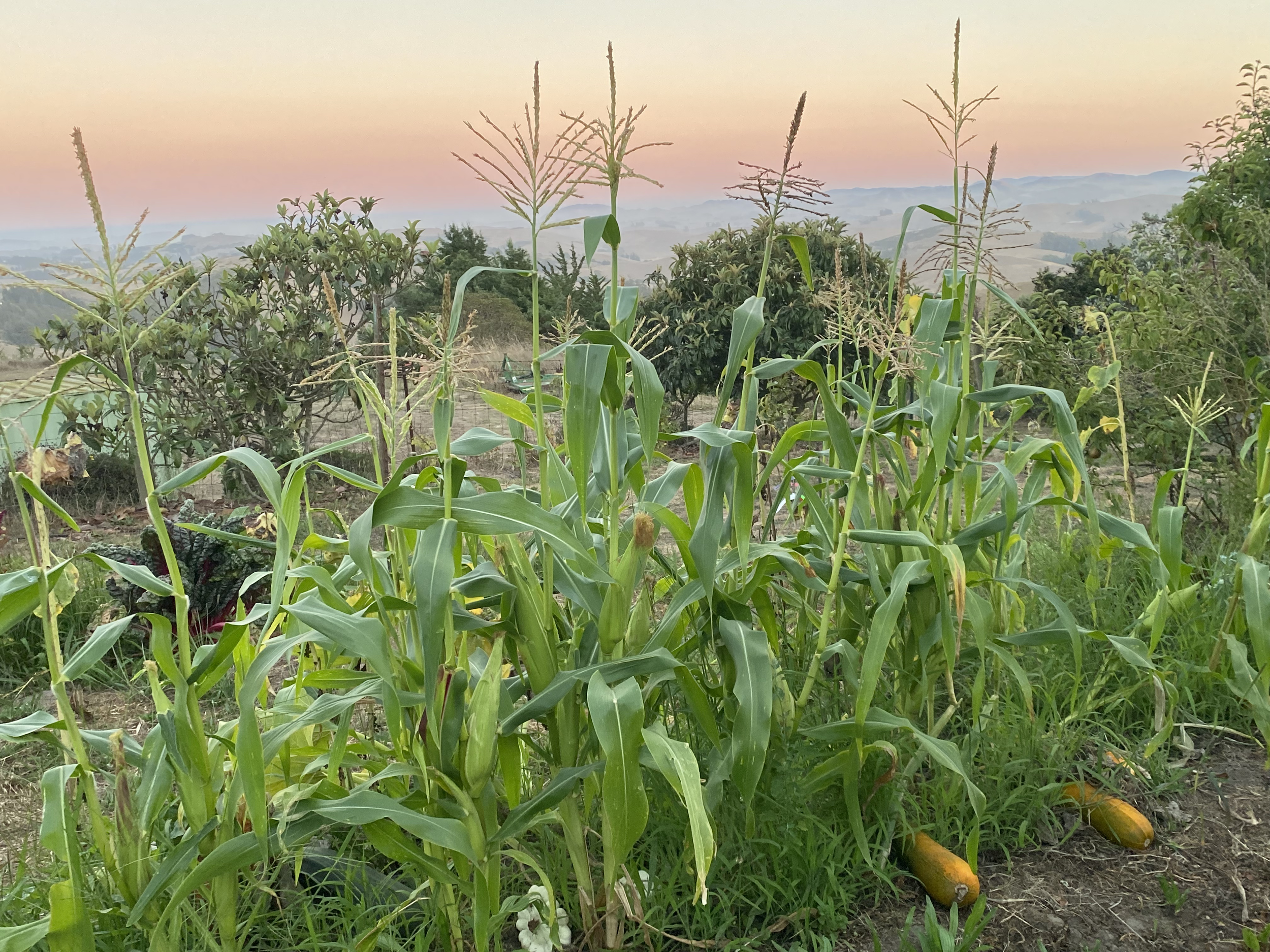
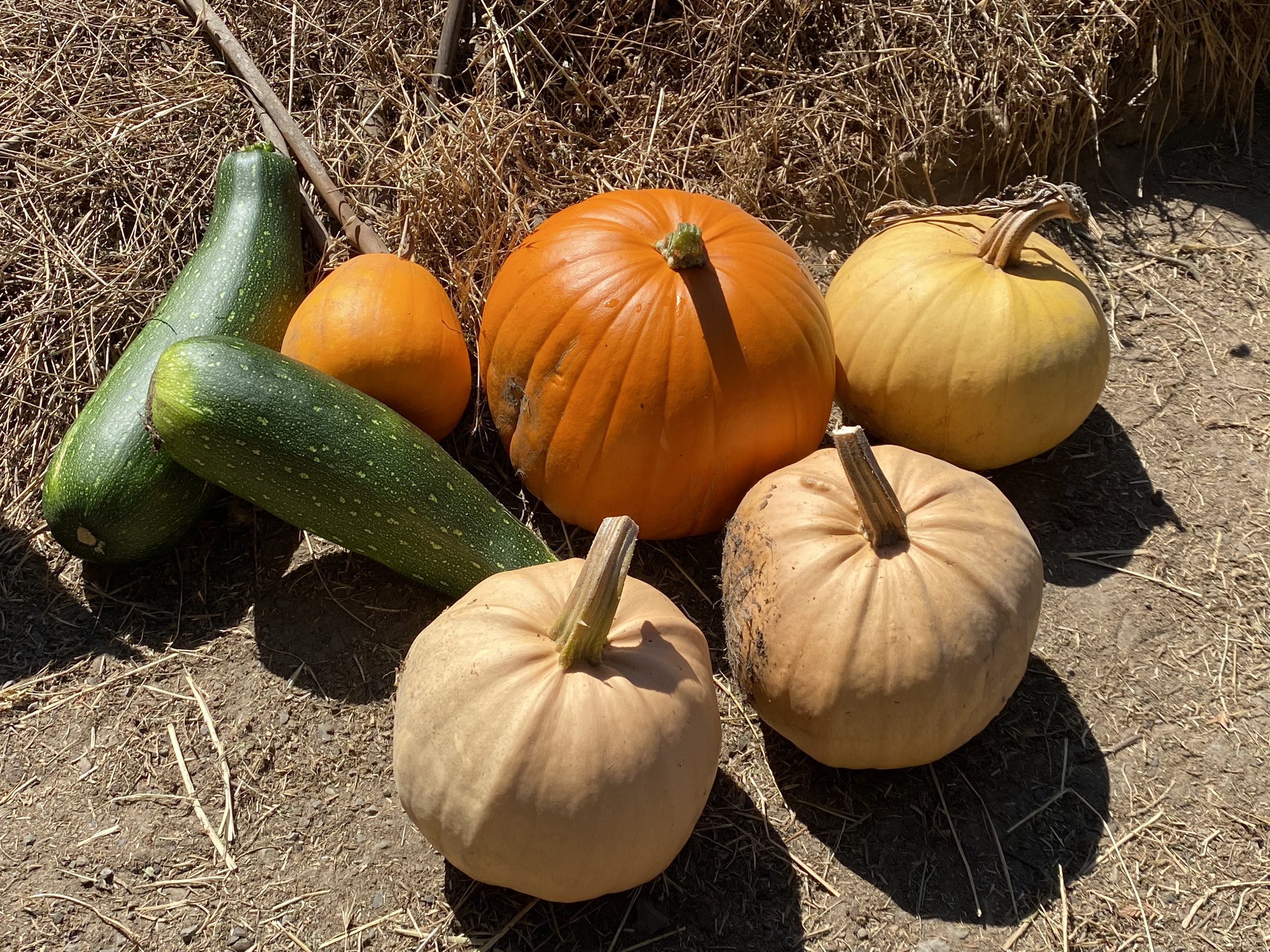
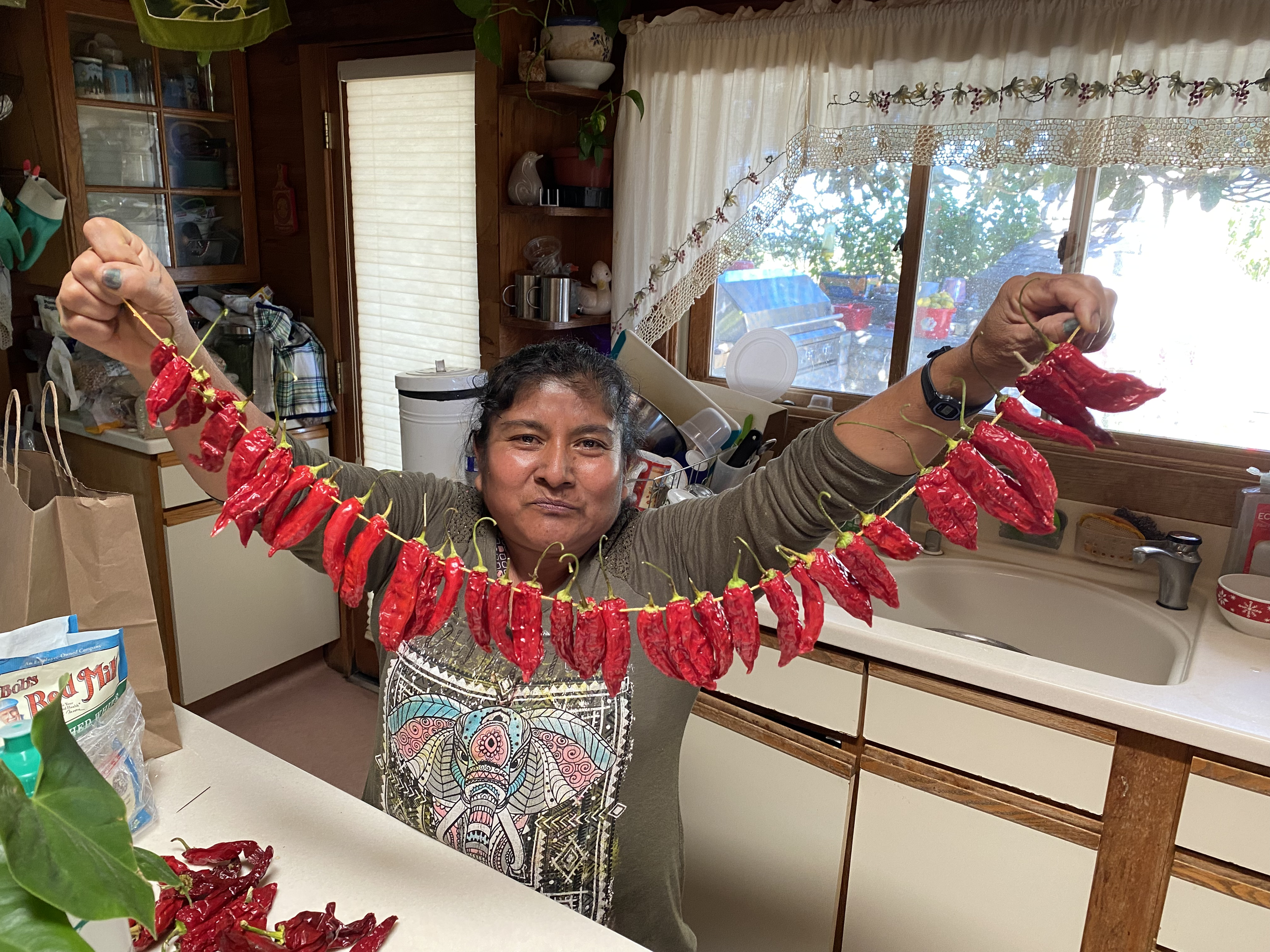
Summer in Northern California brings an abundant harvest of fresh, vibrant produce: stone fruits like peaches, nectarines, plums, and apricots; berries including strawberries, blueberries, and raspberries; grapes starting to ripen for eating and winemaking; cherries in early summer; tomatoes, sweet corn, and bell peppers at peak sweetness; summer squash and zucchini; eggplant and okra; fresh green beans and peas; melons such as cantaloupe and watermelon; figs beginning late summer; and an array of herbs—basil, cilantro, and mint—plus lettuces and other tender greens that tolerate the warmth when well-watered, all reflecting the region’s warm days, cool nights, and diverse microclimates.
-
Summer meals should be light, fresh, and quick to prepare—think grilled fish or chicken with citrus and herb marinades, colorful salads featuring seasonal tomatoes, cucumbers, and peaches, and grain bowls with chilled quinoa or farro topped with roasted corn, avocado, black beans, and a lime vinaigrette. Emphasize simple, produce-forward dishes like gazpacho or chilled cucumber-yogurt soup, caprese with ripe tomatoes and basil, and summer vegetable stir-fries that make use of zucchini, bell peppers, and eggplant. Include easy sides such as grilled asparagus or blistered shishito peppers, and finish with no-bake desserts like berry compotes over yogurt or lemon sorbet to keep meals satisfying without heating up the kitchen.
Fall
As leaves turn and days grow shorter, fall calls for grounding foods and restorative practices that support the body’s shift inward:
Warm, nourishing stews and whole grains like oats and barley, roasted root vegetables, squashes, and bone or vegetable broths replenish minerals and soothe digestion.
Seasonal spices—ginger, cinnamon, turmeric—promote circulation and gentle inflammation relief.
Fermented foods such as sauerkraut and kimchi help maintain gut resilience as temperatures change; herbal teas made from nettle, chamomile, or cinnamon bark calm the nervous system and aid sleep.
Combine these foods with slow movement practices (walking in nature, yin or restorative yoga), breathwork, regular sleep patterns, and short daily rituals like mindful meals or warm baths to cultivate warmth, immunity, and emotional balance through the cooler months.


-
In Northern California, fall brings an abundance of cool‑weather produce: crisp apples and pears from local orchards; late grapes for wine and table eating; juicy persimmons and pomegranates; stone fruits’ final offerings like figs and quince; hearty squashes and pumpkins ranging from delicata to kabocha; root vegetables such as carrots, beets, parsnips, and rutabaga; brassicas including kale, Brussels sprouts, cauliflower, and broccoli; leafy greens like chard and collards; mushrooms wild and cultivated; and late citrus beginnings—blood oranges and mandarins toward the end of the season—paired with fresh herbs that linger as temperatures drop.
-
Fall cooking centers on hearty, warming ingredients that celebrate the season's bounty: roast root vegetables like carrots, parsnips, and beets; sweet and savory squashes such as butternut and acorn; braised greens and cabbage; apple and pear dishes—pies, compotes, and skillet crisps—that showcase late harvest fruit; comforting grains and legumes like farro, barley, lentils, and chickpeas for stews and grain bowls; wild or cultivated mushrooms added to risottos, soups, and pastas; and warming spices—cinnamon, nutmeg, sage, rosemary, and thyme—used in both sweet and savory preparations. Incorporate preserves and fermented items like apple butter, pickled beets, and kimchi for depth, and prioritize slow-cooked meats or plant-based roasts to create filling, cozy meals that make the most of fall's rich flavors.
Winter
Embrace seasonal, nutrient-dense foods to support immunity and energy through winter:
Focus on root vegetables, winter squash, dark leafy greens, citrus, and fermented foods for vitamins, minerals, and beneficial probiotics.
Prioritize warm, hydrating meals like soups, stews, and grain bowls to aid digestion and circulation; incorporate healthy fats (olive oil, avocado, nuts) and quality proteins (legumes, fish, poultry) to maintain satiety and muscle mass.
Limit refined sugars and heavy, processed foods that can dampen immunity and energy; and practice mindful, regular meals—simple meal prep, batch-cooking, and using preserved produce—so you can eat well even on cold, busy days.
-
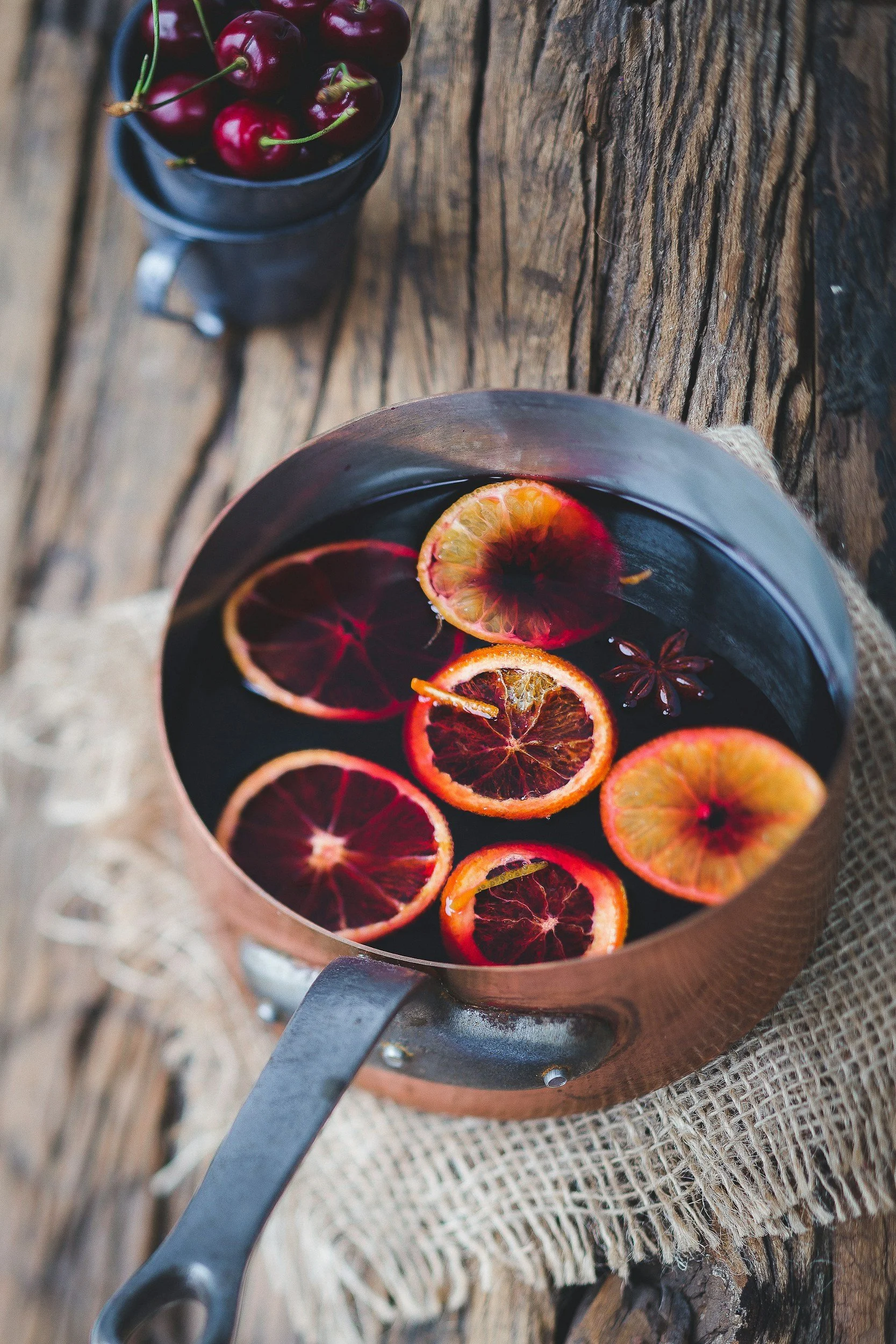
Winter in Northern California brings a bounty of cool-season produce: citrus fruits like navel, blood oranges, tangerines, and Meyer lemons; hardy greens such as kale, chard, collards, and mustard greens; brassicas including broccoli, cauliflower, Brussels sprouts, and cabbage; root vegetables like carrots, beets, parsnips, turnips, and rutabagas; sweet winter squashes such as butternut, acorn, and delicata; leeks, shallots, and fennel for aromatics; persimmons and late apples for fresh or baked desserts; and winter herbs like rosemary and sage, all offering bright, comforting flavors that suit slow-cooked stews, roasted veg, and citrus-forward salads.
-
Rooted, warming foods support health in winter—think hearty stews and soups made with bone broth or vegetable stock, seasonal root vegetables like carrots, parsnips, sweet potatoes, and winter squash, and plenty of leafy greens such as kale and Swiss chard added near the end of cooking to preserve nutrients. Incorporate immune-supporting ingredients like garlic, ginger, onions, and mushrooms, use whole grains like barley, farro, or brown rice for sustained energy, and include fatty fish (salmon, trout) or plant sources of omega-3s (walnuts, chia) a few times weekly for inflammation control. Finish meals with fermented condiments—sauerkraut, kimchi, or plain yogurt—for gut health and add citrus, kiwi, or winter berries when available for vitamin C; season simply with warming spices like cinnamon, turmeric, and black pepper to boost circulation and flavor.
Spring
Spring invites a gentle reset for the body through healing food practices that prioritize fresh, seasonal ingredients, light preparations, and mindful eating.
Emphasize crisp greens, young herbs, and brightly flavored vegetables—such as asparagus, peas, radishes, and dandelion greens—to support liver detoxification and renewed energy after winter. Incorporate sprouted grains and beans for easier digestion, broths and simple steamed dishes to soothe the gut, and fermented foods like sauerkraut or kefir to rebuild gut flora.
Practice mindful mealtimes: eat slowly, notice flavors and textures, and tune into hunger and fullness cues, letting food be both nourishment and a seasonal ritual that aligns the body with the lengthening days.
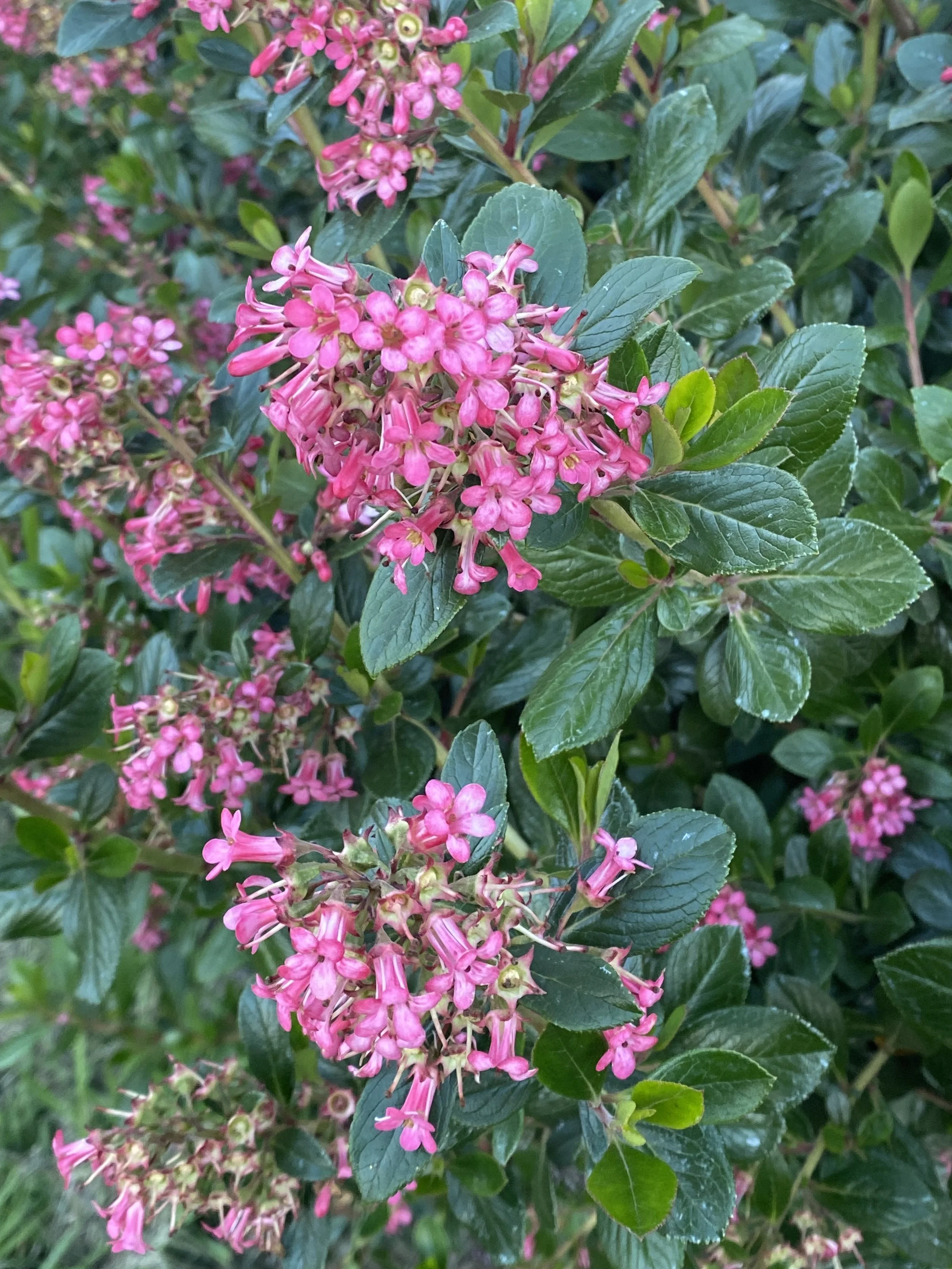
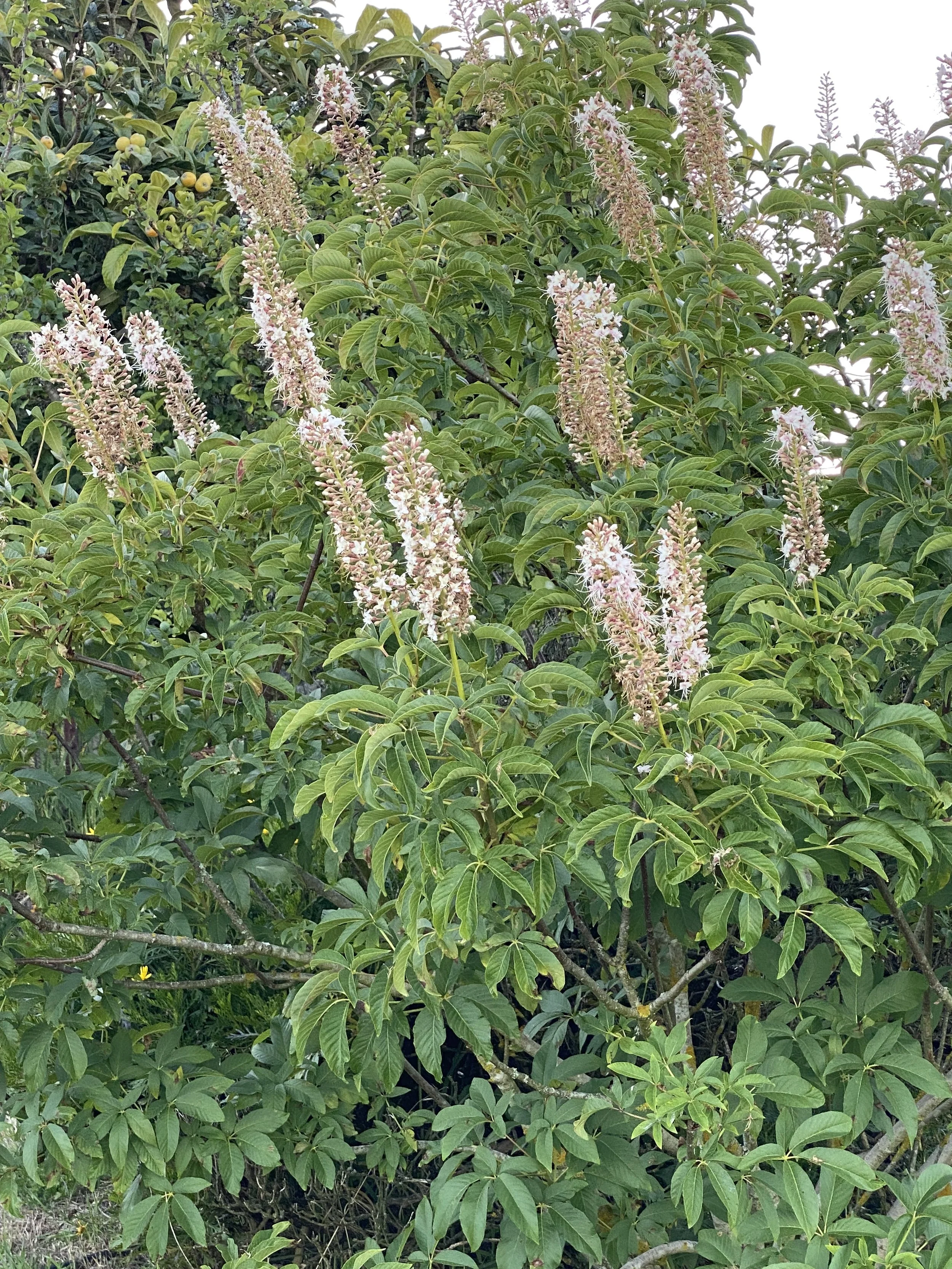
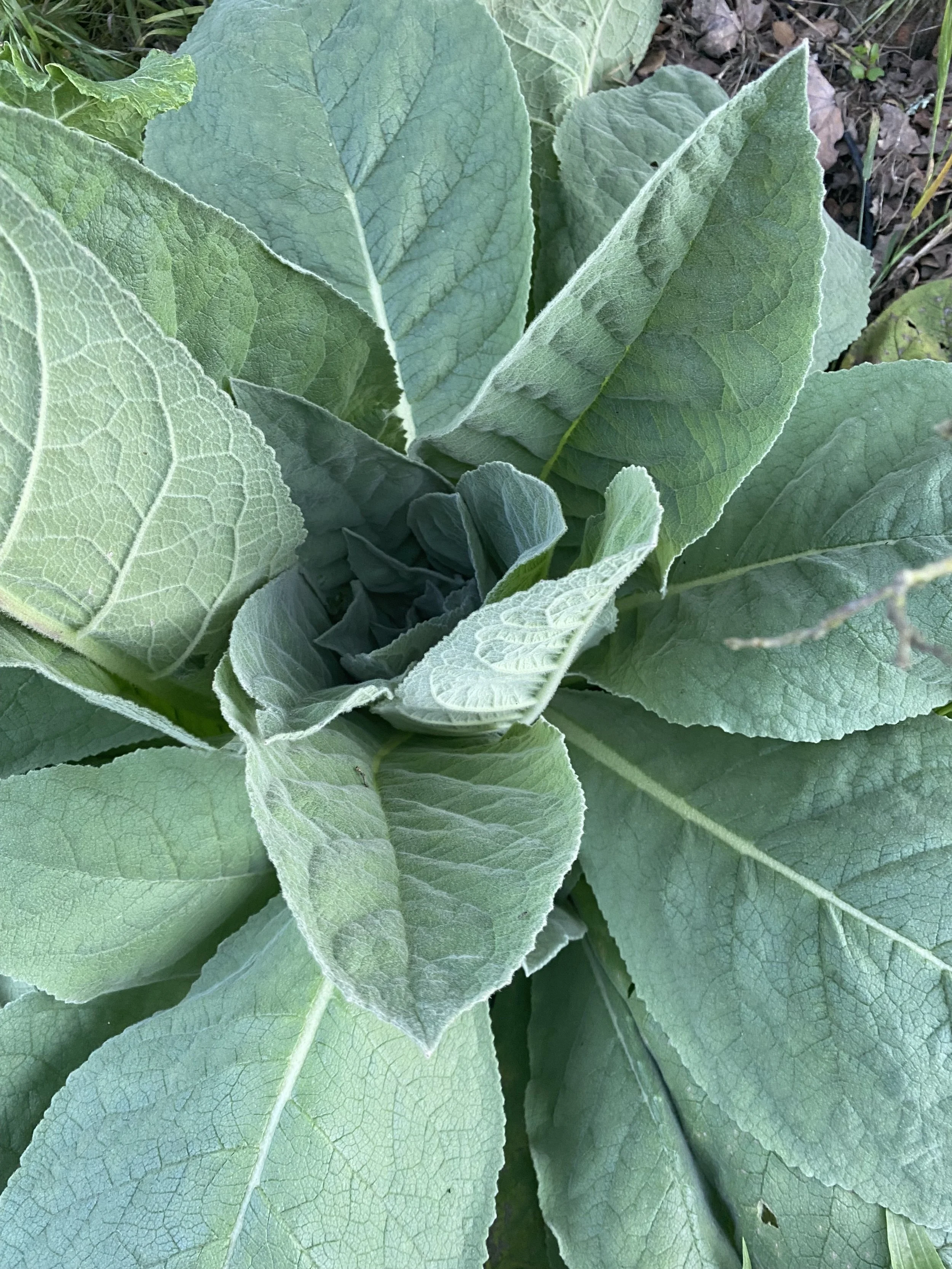
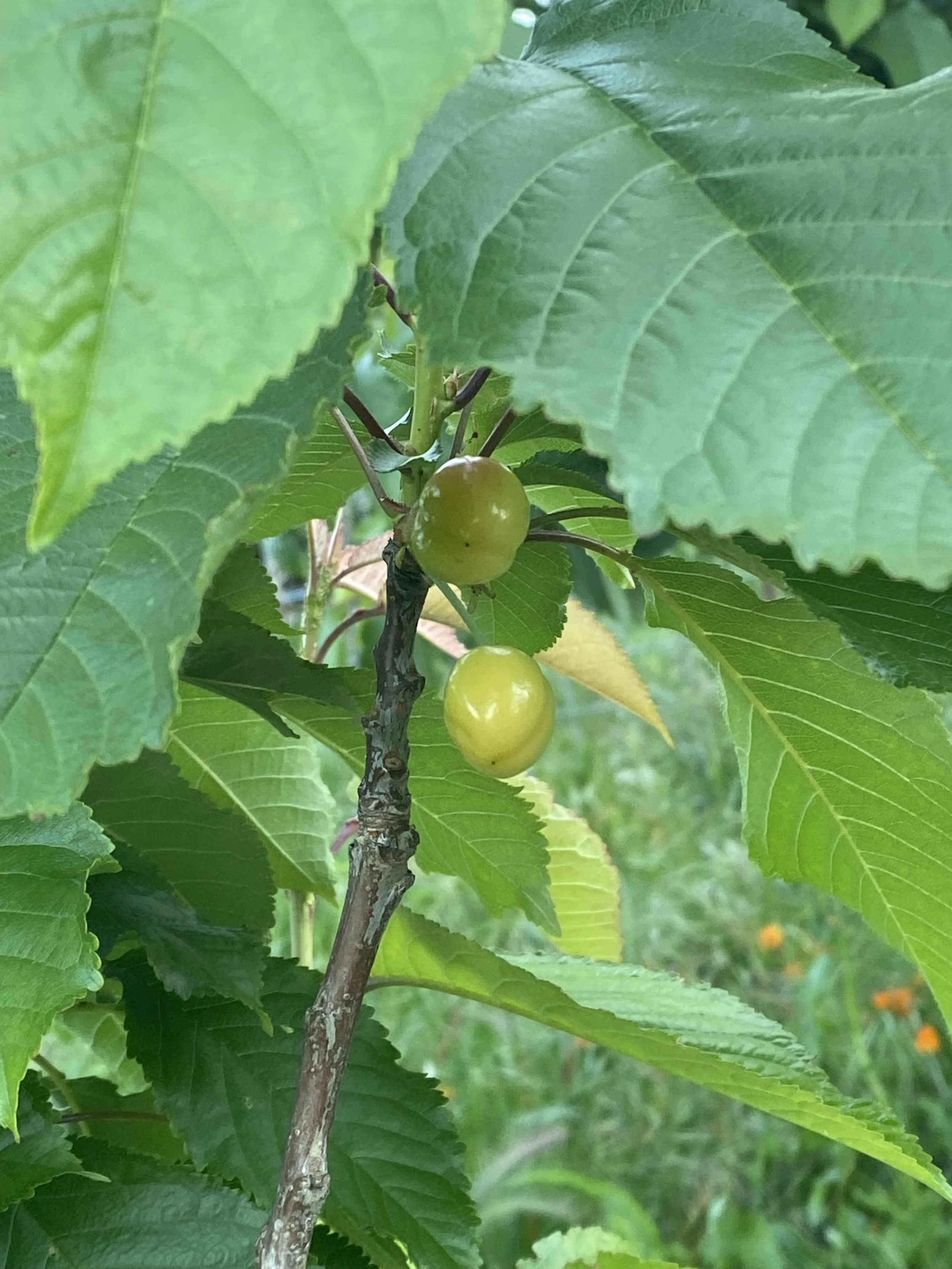
-
Spring in Northern California brings a vibrant array of fresh produce as orchards and farms awaken: asparagus spears and artichokes are abundant, tender peas and fava beans appear alongside baby lettuces, arugula, and other mixed greens; strawberries arrive early and sweet, followed by cherries later in the season, while citrus like Meyer lemons and blood oranges linger from winter; rhubarb, ramps, scallions, and young beets show up at farmers’ markets, and early stone fruits such as apricots begin to emerge toward late spring—perfect for light, herb-forward cooking that highlights the region’s bright, grassy flavors.
-
In spring, cook light, vegetable-forward meals that highlight the season’s tender greens and bright flavors—think asparagus and pea risottos, ramps and herb frittatas, and salads layered with radishes, watercress, and microgreens; incorporate gentle proteins like grilled fish, poached eggs, or chickpea salads, and use whole grains such as farro or barley for grounding energy. Emphasize fresh herbs (mint, dill, parsley) and citrus to lift dishes, choose simple cooking methods—steaming, roasting, light sautéing—to preserve nutrients, and add fermented foods like yogurt, kefir, or quick pickles to support digestion. Keep seasoning balanced with a touch of healthy fats (olive oil, avocado) and a little sea salt, focusing on colorful, seasonal produce to promote renewal, hydration, and steady energy as you transition from winter into warmer days.